Trump hints Iran talks could resume this week as US port blockade continues
BBC Newsen
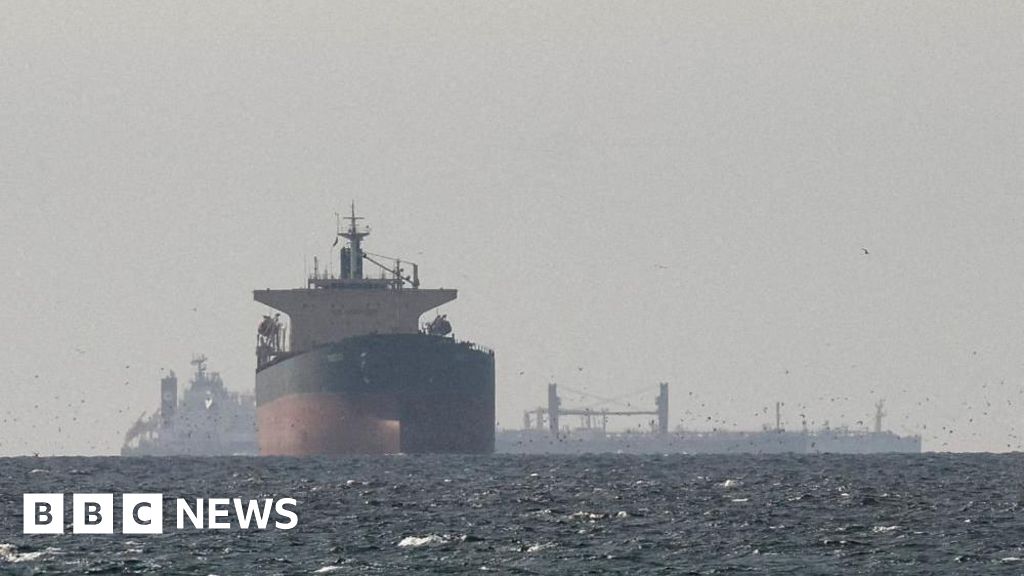
President Donald Trump has signaled that negotiations to end the war with Iran could resume this week, even as the U.S. military enforces a massive blockade of Iranian ports aimed at severing the country's economic lifelines during a fragile two-week ceasefire.
The standoff follows the collapse of high-level talks in Islamabad over the weekend. In an interview with the New York Post, Trump directed his focus toward Pakistan, stating, "You should stay there [Islamabad], really, because something could be happening over the next two days, and we're more inclined to go there,". His remarks come amid a severe U.S. naval operation that the American military said has "completely halted economic trade going into and out of Iran by sea" in its first 36 hours.
More than a dozen U.S. warships and roughly 10,000 military personnel are enforcing the blockade against any vessels entering or leaving Iranian ports. The operation is designed to choke off Iran's oil revenue and the tolls it collects from ships traversing the Strait of Hormuz, which Iran effectively shut down following U.S. and Israeli air strikes on February 28. In a statement on Wednesday, Adm Brad Cooper, Centcom commander, said: "A blockade of Iranian ports has been fully implemented as US forces maintain maritime superiority in the Middle East. " He continued, "An estimated 90% of Iran's economy is fueled by international trade by sea. In less than 36 hours since the blockade was implemented, US forces have completely halted economic trade going into and out of Iran by sea." Centcom noted that six merchant vessels had already complied with direction to turn around.
Despite the aggressive military posture, diplomatic avenues appear to be opening. United Nations Secretary General António Guterres said it was "highly probable" that talks would restart. Officials from Gulf states, Pakistan, and Iran also indicated that negotiating teams from Washington and Tehran could return to Islamabad later this week. The initial negotiations fell apart primarily over Iran's nuclear ambitions, with the U.S. pushing for a 20-year suspension of uranium enrichment, while Tehran reportedly offered a five-year halt.
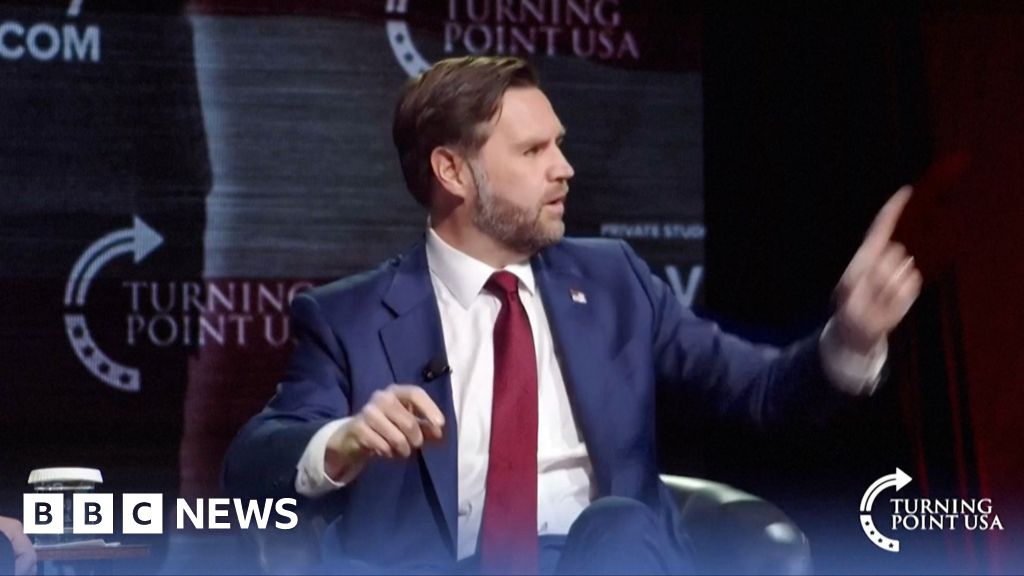
Vice-President JD Vance, who led the U.S. delegation in Islamabad, expressed cautious optimism. "There is a lot of, of course, mistrust between Iran and the United States of America," Vance told a Turning Point USA event in Georgia. "You are not going to solve that problem overnight."
The blockade and ongoing conflict have rattled global markets, though hopes of renewed diplomacy pushed benchmark oil prices below $100 on Tuesday. The International Monetary Fund warned the war could trigger a global recession, but U.S. Treasury Secretary Scott Bessent told the BBC that a "small bit of economic pain" is worthwhile for long-term international security.
China strongly condemned the blockade, describing it as "dangerous and irresponsible" and warning it would only "exacerbate tensions and undermine the already fragile ceasefire agreement". Meanwhile, the broader regional crisis saw a separate diplomatic breakthrough, as Israel and Lebanon agreed to launch direct negotiations in Washington—their first since 1993—following Israeli airstrikes targeting the Iran-backed militant group Hezbollah. A U.S. official stressed these talks were entirely separate from the U.S.-Iran negotiations.
Source: BBC News
Related articles
Watch: Vance heckled as he chides Pope
US Vice-President JD Vance was heckled at a Turning Point USA event while criticizing Pope Leo for his comments on theol…
BBC News
250 missing after migrant boat sinks in Indian Ocean
Around 250 Rohingya refugees and Bangladeshis are missing after their overcrowded boat sank in the Andaman Sea during a …
BBC News
Nazi search engine shows if ancestors were in Hitler's party
A new online search engine developed by German newspaper Die Zeit is allowing people to discover if their ancestors were…
BBC News
Three years of messages at once - a chronicle of Sudan's war pours in as trapped reporter's phone turns on
Sudanese journalist Mohamed Suleiman, trapped for three years in the besieged city of el-Fasher without phone service, b…
BBC News
Man wins €1m Picasso painting in €100 charity raffle
A Paris-based engineer won a €1m Picasso painting after buying a €100 ticket in a global charity raffle that raised appr…
BBC News