
Households could get free electricity for doing washing on sunny weekends
BBC News Businessen
Households and businesses across Britain could soon enjoy free or heavily discounted electricity simply by running their washing machines or charging electric vehicles on sunny weekends, as the National Energy System Operator (NESO) expands its innovative demand flexibility scheme.
Traditionally, energy providers have incentivized customers to reduce their electricity usage during peak hours. However, under an updated Demand Flexibility Scheme approved by regulator Ofgem last month, providers can now actively encourage people to increase their consumption when weather conditions result in an excess of power supply. The initiative is designed to ensure the national grid remains resilient over the summer months and prevents surplus green energy from being wasted.
Electricity demand naturally drops during the warmer, longer days of summer, precisely when solar power generation reaches its peak. According to NESO, low demand is increasingly driven by weather patterns, while a surge in smaller, local electricity generators is reducing reliance on large power stations. Renewable energy produced a record amount of electricity in Great Britain last year, with solar-powered electricity rising by nearly a third on 2024 levels. This dynamic was starkly evident as 2025 was the UK's sunniest year on record, driving a record 250,000 new small-scale rooftop solar installations.
To participate in the updated scheme, households must have a smart meter and be signed up with a participating supplier. Companies that have signed up so far include British Gas, Equiwatt, and Octopus Energy. NESO will notify energy companies of the optimal times to ramp up or reduce demand, compensating the providers who then decide how to pass the savings on to consumers. Rewards will vary but could range from completely free electricity during specific windows to loyalty points redeemable for gift cards. Furthermore, the scheme can be hyper-localized, simultaneously encouraging higher usage in one part of the country while curbing it in another.
Energy companies are already aligning with the shift. Octopus Energy noted it has long offered similar discounts for periods of high green energy, saving customers millions. "The changes made to the DFS scheme mean customers can benefit from using more energy when renewables are high, reducing the amount of wind and solar that need to be turned off."
Meanwhile, NESO warned of the operational challenges of managing this green energy boom. "The complexity of operating the system at low demand is increasing, and we may need to use more of our tools, and use them more often, than in previous summers." The operator noted this could include issuing rare notices to power stations to turn down output to ensure safety.
Despite the record-breaking renewable generation—which saw renewables account for at least half of Britain's electricity on roughly a third of days in 2025—the grid still relies heavily on fossil fuel gas to balance intermittent generation. Addressing broader supply concerns, National Gas moved to reassure the public about summer fuel reserves, which primarily come from the UK Continental Shelf and Norway. Director of energy systems and resilience Glenn Bryn-Jacobsen stated: "While the situation in the Middle East has understandably raised questions about Britain's gas supplies, our forecasts indicate the market has the capacity to deliver sufficient supply to meet demand this summer."
Source: BBC News Business
Related articles

Help to Buy mostly helped high earners, IFS says
An Institute for Fiscal Studies report reveals that England's Help to Buy scheme primarily benefited higher earners in c…
BBC News Business

Amazon to spend $11bn on satellite firm in growing Starlink rivalry
Amazon announced an $11.57 billion deal to acquire satellite firm Globalstar, marking a major escalation in its rivalry …
BBC News Business
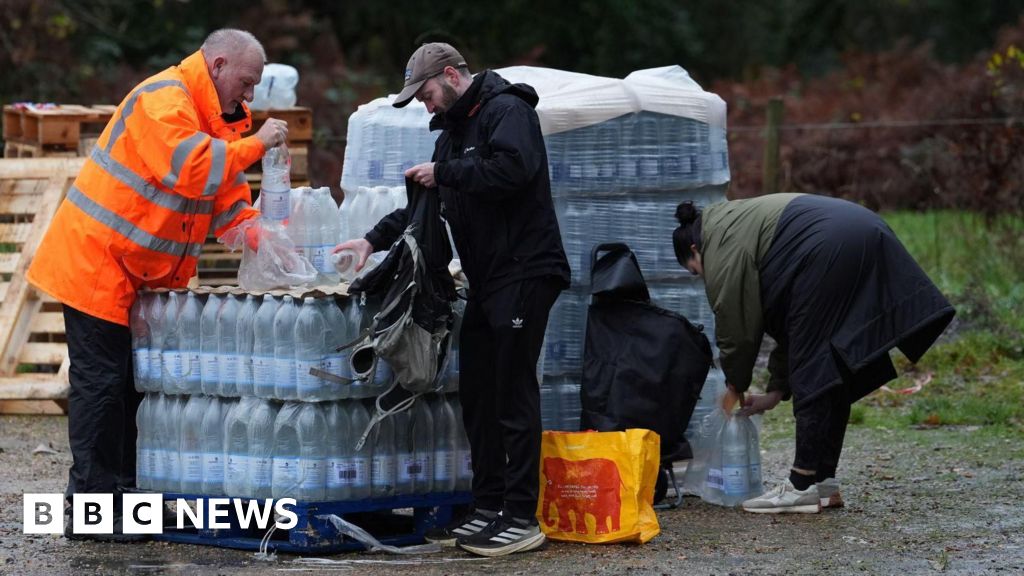
Customers failed over outages, water boss tells MPs
South East Water's chairman has admitted the utility "failed on the basic objective of delivering water" after severe wi…
BBC News Business
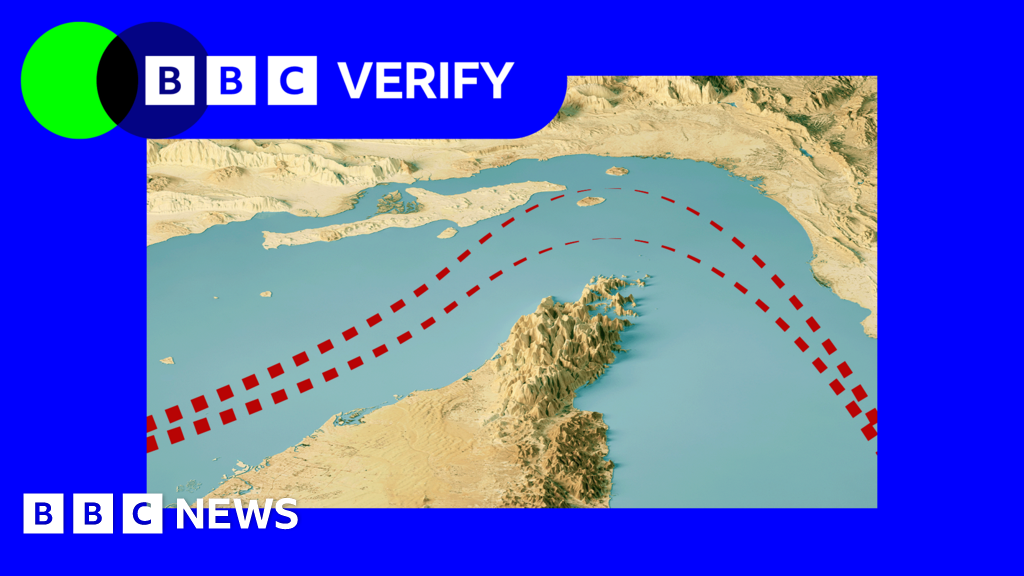
How many ships are crossing the Strait of Hormuz?
At least four vessels with links to Iran have crossed the Strait of Hormuz despite a newly implemented US naval blockade…
BBC News Business
UK faces biggest hit to growth from Iran war of major economies, IMF says
The International Monetary Fund has cut its UK growth forecast to 0.8%, warning that the energy shock from the Iran war …
BBC News Business