Israel and Lebanon hold first direct talks since 1993
BBC Newsen
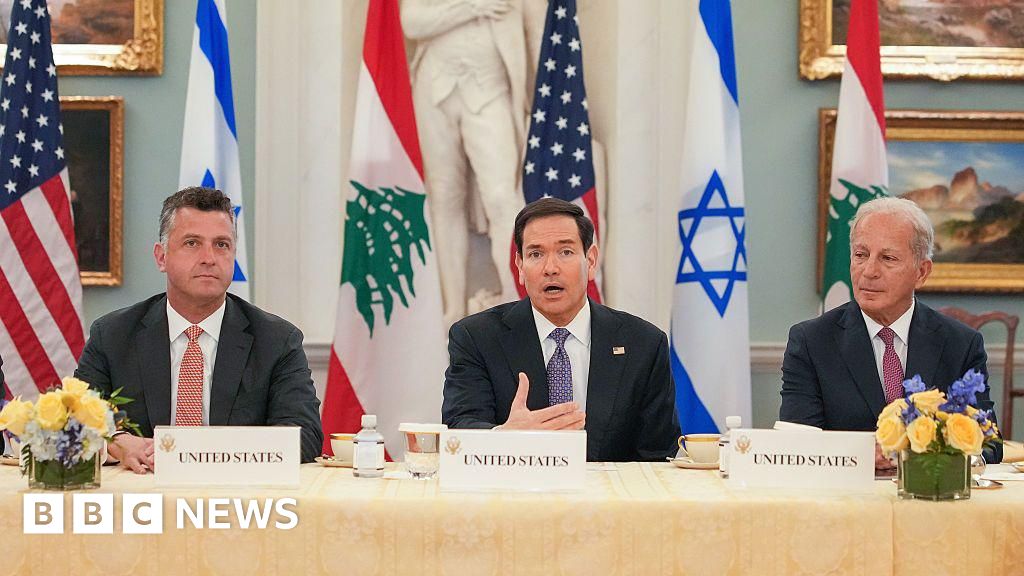
Lebanon and Israel held their first direct diplomatic talks in over three decades in Washington, mediated by the United States, in a rare but fragile bid to end the devastating conflict between Israel and the Iran-backed Hezbollah militant group.
US Secretary of State Marco Rubio, who brokered the meeting, framed it as a critical turning point. Speaking to reporters ahead of the session, Rubio said the meeting was "a process". "This will take time, but we believe it is worth this endeavour," he said. "It's a historic gathering that we hope to build on." Rubio had previously called the discussions a "historic opportunity" to end Hezbollah's influence.
According to a US statement, both sides agreed to launch direct negotiations at a time and place yet to be determined. Israel maintained that its primary objective is to disarm all non-state terror groups, a direct reference to Hezbollah. State Department spokesman Tommy Pigott noted that both nations agreed to work toward reducing the militant group's influence, while the US "expressed its support for Israel's right to defend itself" from ongoing attacks.
Lebanon's delegation pushed for an immediate halt to the violence and relief for its citizens. Pigott added that the Lebanese side called for a "ceasefire and concrete measures to address and alleviate the severe humanitarian crisis" in the country. Lebanese President Joseph Aoun echoed these hopes, stating he believed the talks would "mark the beginning of the end of the suffering of the Lebanese people in general, and those in the south in particular". Aoun emphasized that the "only solution" to the conflict would be the Lebanese armed forces "being solely responsible for the security of the area".
The high-stakes diplomacy unfolded against a backdrop of relentless bloodshed. Over 2,000 people have been killed and roughly one million displaced since Israeli military operations in Lebanon began on March 2, just days after US and Israeli strikes targeted Iran. While officials met in Washington on Tuesday, Hezbollah claimed at least 24 attacks on Israel and Israeli troops in Lebanon, triggering drone and rocket alarms across northern Israeli communities throughout the day.
The central challenge to any negotiated agreement remains Hezbollah itself. The well-armed militia, which holds enormous sway in southern Lebanon and two cabinet-level positions in the central government, has increasingly strained its relationship with the state since entering the broader Israel-Iran conflict. Ahead of the Washington talks, Wafiq Safa, a senior member of Hezbollah's political council, dismissed the negotiations' legitimacy, stating, "We are not bound by what they agreed to," according to the AP news agency. Meanwhile, in separate US-Iran negotiations in Pakistan, Iranian officials insisted Lebanon be included in any ceasefire, a demand flatly rejected by both Washington and Jerusalem.
Source: BBC News
Related articles
Watch: Vance heckled as he chides Pope
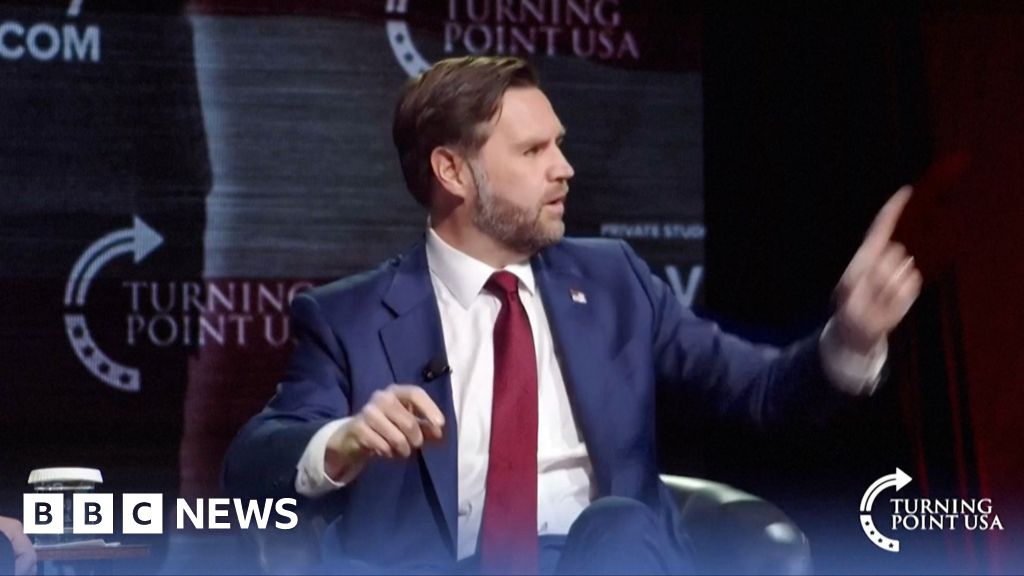
US Vice-President JD Vance was heckled at a Turning Point USA event while criticizing Pope Leo for his comments on theol…
BBC News
Trump hints Iran talks could resume this week as US port blockade continues
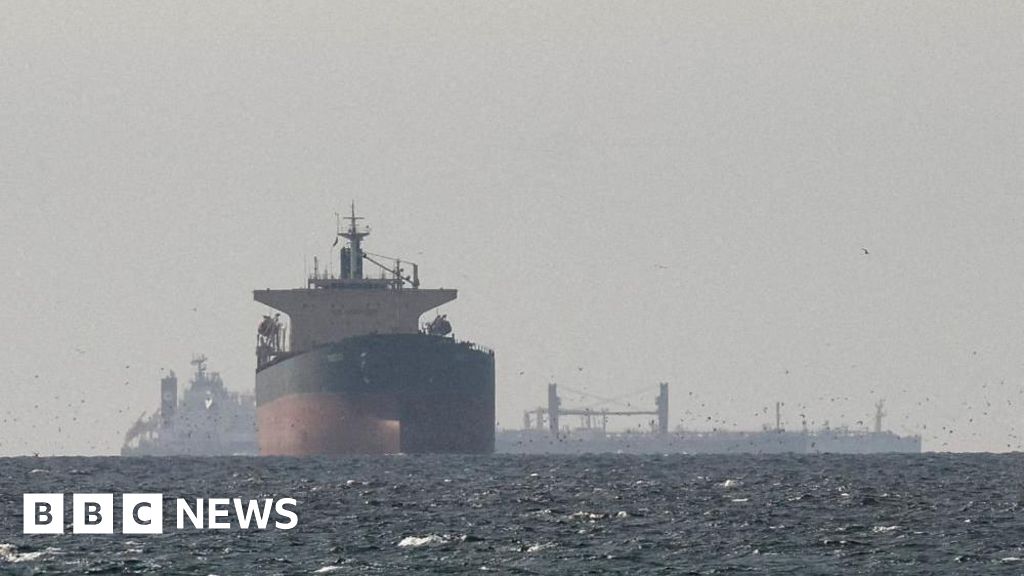
President Donald Trump has indicated that negotiations to end the conflict with Iran could resume this week following th…
BBC News

250 missing after migrant boat sinks in Indian Ocean
Around 250 Rohingya refugees and Bangladeshis are missing after their overcrowded boat sank in the Andaman Sea during a …
BBC News
Nazi search engine shows if ancestors were in Hitler's party
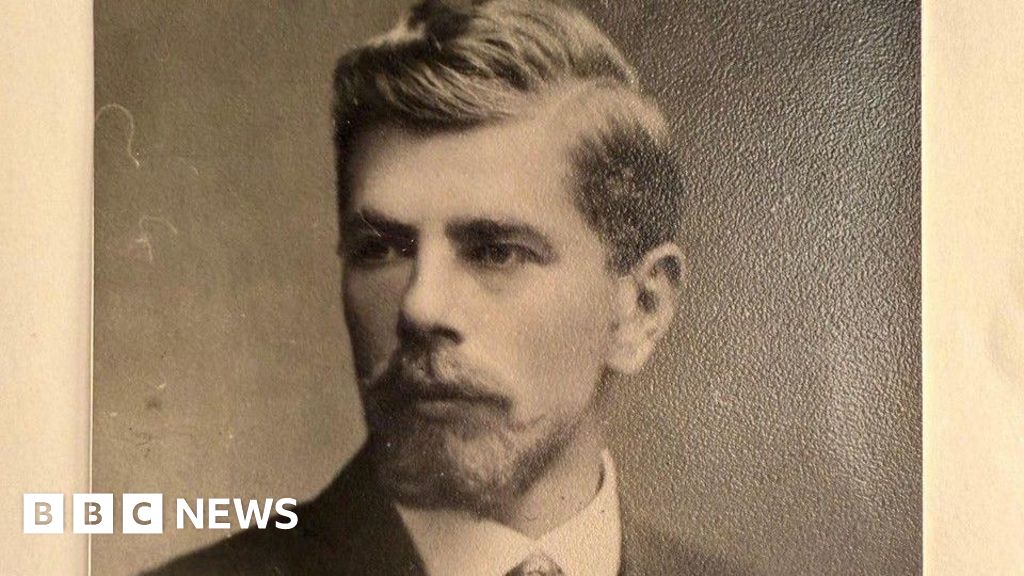
A new online search engine developed by German newspaper Die Zeit is allowing people to discover if their ancestors were…
BBC News
Three years of messages at once - a chronicle of Sudan's war pours in as trapped reporter's phone turns on
Sudanese journalist Mohamed Suleiman, trapped for three years in the besieged city of el-Fasher without phone service, b…
BBC News