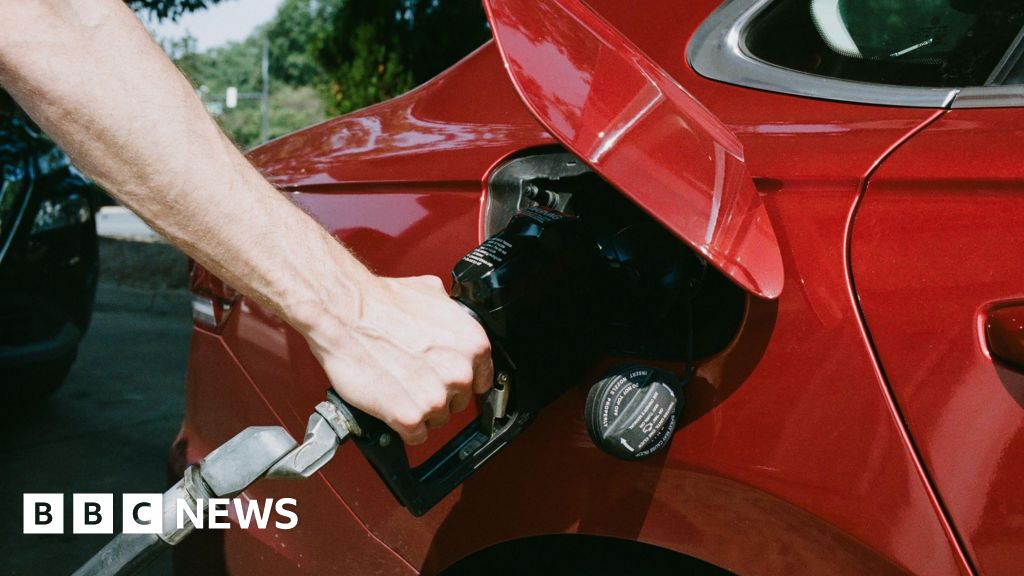
Fuel prices stop rising after 43 days of increases, RAC says
BBC News Businessen
A 43-day streak of relentless fuel price increases has finally come to a halt, offering a glimmer of hope for drivers who have faced soaring costs at the pump due to the US-Israeli war with Iran. According to the latest figures from motoring organization the RAC, a temporary ceasefire in the Gulf has pulled crude oil prices back from recent peaks, subsequently easing wholesale fuel costs. However, relief remains distant for many, as prices are still drastically higher than before the conflict began. Petrol is currently selling for just over 158p a litre on average, a steep climb from 133p in late February, while diesel has surged from 142p a litre to 192p. The prolonged increases mean filling up a typical family car now costs £14 more for petrol and £27 more for diesel.
The initial spike was triggered by the outbreak of the US-Israeli war with Iran, which effectively shuttered the Strait of Hormuz—a critical waterway responsible for transporting roughly 20% of the world's oil and liquefied natural gas. Because crude oil is a key ingredient in petrol and diesel, the resulting supply fears sent global fuel costs soaring. Diesel has borne the brunt of the increase due to its complex refining process, heavy global demand, and the UK's reliance on importing half of its supply from abroad. Still, current prices remain below the historic highs of summer 2022 following Russia's invasion of Ukraine, when petrol hit 191.5p and diesel reached 199p a litre.
With crude oil retreating, motorists are now looking for forecourt prices to follow suit. "Wholesale fuel costs are now significantly lower than they were at the start of the month, so forecourt prices should begin to come down," said the RAC's head of policy, Simon Williams. "As things stand, we'd expect petrol and diesel to drop by several pence a litre in the next week or so," he added. "It will be very interesting to see if this plays out as the data indicates. We hope it does as drivers could do with some relief at the pumps."
Rival motoring group the AA cautioned that any reductions might not be evenly distributed across the country, warning of a "pump-price postcode lottery." "If you live in a town with competitive retailers, you may see some movement. If you live somewhere where they all watch each other to see who budges first, you won't," said Edmund King, the AA's president.
The motor fuels sector has previously faced intense scrutiny over "rocket and feather" pricing—a practice where retailers raise prices rapidly when oil costs spike, but lower them slowly when those costs fall. The Competition and Markets Authority (CMA) found evidence of this behavior in late 2022 and announced last month that it was intensifying its monitoring of forecourt prices in response to the recent surge in energy costs. To help consumers navigate the varying costs, the government recently launched a new scheme allowing drivers to compare fuel prices at petrol stations across the UK.
Source: BBC News Business
Related articles

Help to Buy mostly helped high earners, IFS says
An Institute for Fiscal Studies report reveals that England's Help to Buy scheme primarily benefited higher earners in c…
BBC News Business
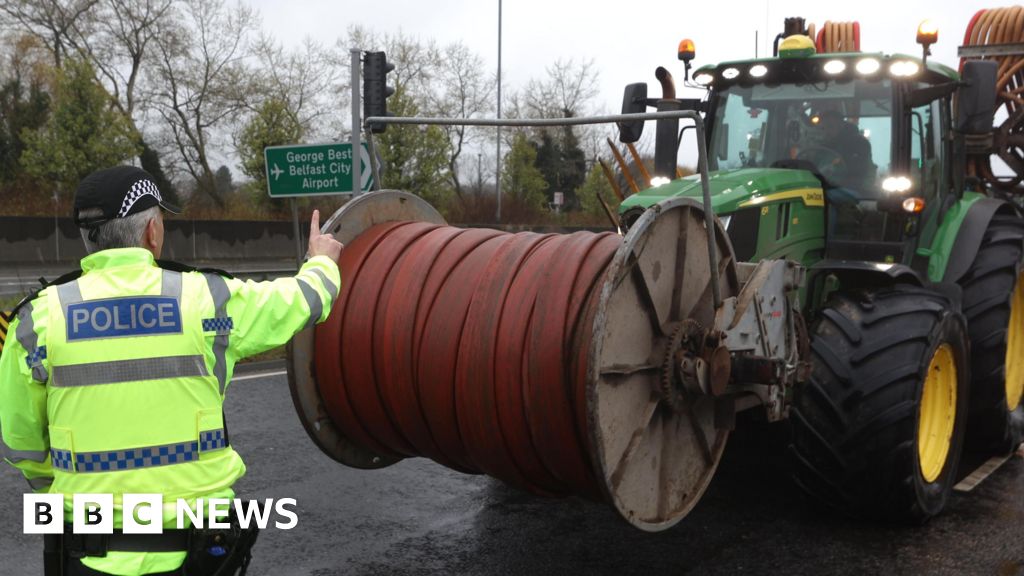
Fines issued after fuel protests across NI disrupt traffic
Fines have been issued after fuel protests caused traffic disruption across Northern Ireland, with slow-moving convoys o…
BBC News Business

Households could get free electricity for doing washing on sunny weekends
Households and businesses in Britain could receive free or discounted electricity for using appliances during periods of…
BBC News Business
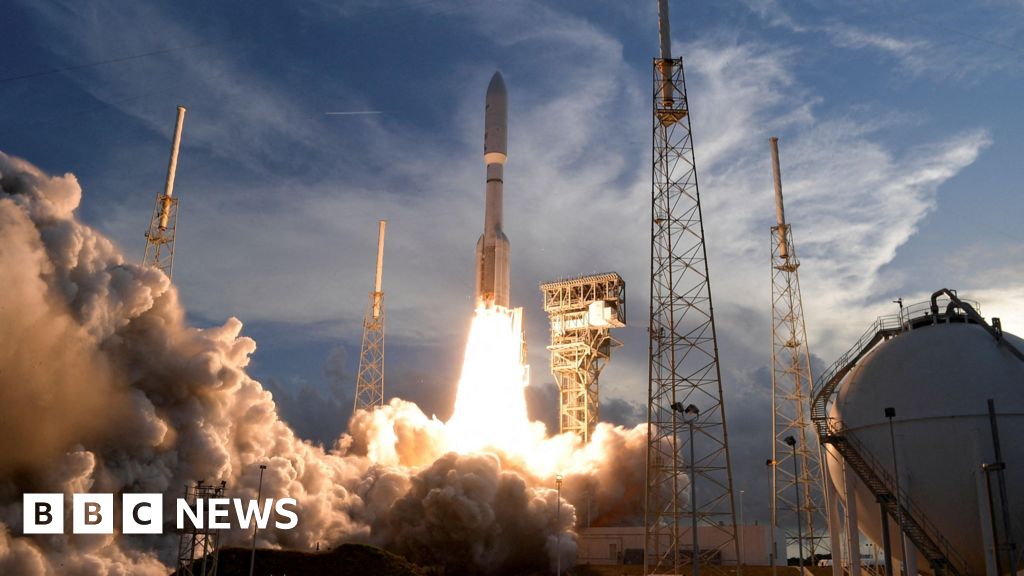
Amazon to spend $11bn on satellite firm in growing Starlink rivalry
Amazon announced an $11.57 billion deal to acquire satellite firm Globalstar, marking a major escalation in its rivalry …
BBC News Business
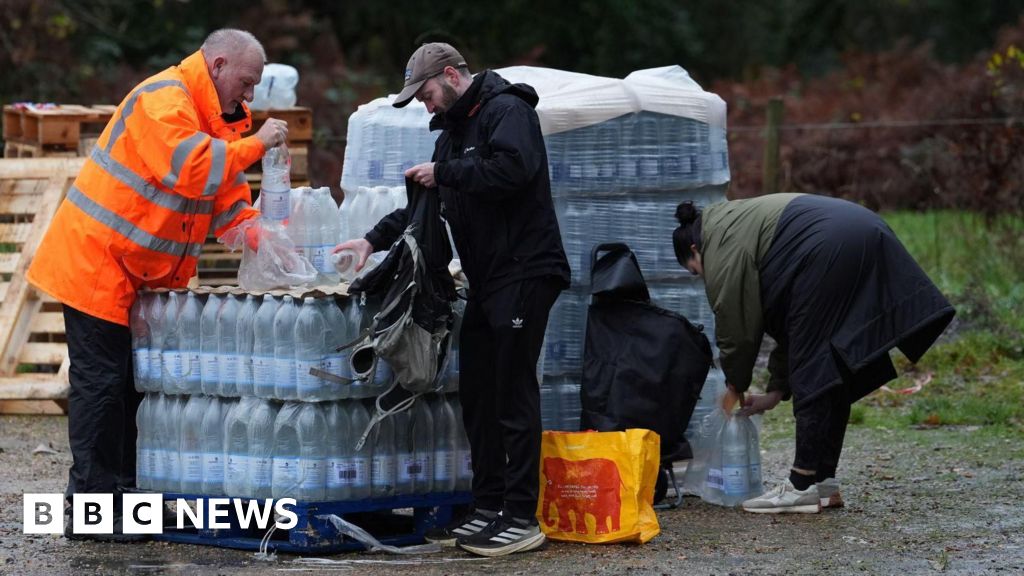
Customers failed over outages, water boss tells MPs
South East Water's chairman has admitted the utility "failed on the basic objective of delivering water" after severe wi…
BBC News Business