
Oil prices continue to fall on hopes of new US-Iran peace talks
BBC News Businessen
Oil prices dropped sharply on Tuesday as hopes of renewed peace talks between the United States and Iran eased fears of further disruptions to global energy supplies, just a day after crude surged above $100 a barrel amid escalating military tensions.
Global benchmark Brent crude fell 3.8% to $95.54 a barrel, while US-traded West Texas Intermediate declined 6.1% to $92.85. The retreat follows a volatile Monday in which prices spiked above $100 after President Donald Trump ordered a blockade of Iran's ports following the collapse of weekend negotiations between the two nations.
However, the mood shifted after Trump indicated Tehran had reached out to Washington about a potential agreement. Speaking to reporters outside the White House on Monday, he said: "I can tell you we've been called by the other side. They'd like to make a deal very badly."
According to the New York Times, which cited Iranian and US officials, Iran proposed suspending uranium enrichment for up to five years during talks in Pakistan. The US reportedly rejected the offer, insisting on a 20-year suspension. While the two sides remain far from an agreement, the discussions suggested a possible path forward, with a second round of face-to-face talks under consideration. The BBC has contacted the White House for comment.
Lindsay James, investment strategist at Quilter, said the further falls on Tuesday were "based on glimmers of hope that both sides remain keen to make a lasting peace deal". "News of a potential second round of talks has been helpful in soothing markets, alongside the suggestion that Iran will not test the US blockade, instead opting to pause shipments to avoid a military confrontation," she said.
Traders may have also been encouraged by signs that several sanctioned tankers "appeared to make it through the Strait of Hormuz earlier today but have since turned back," James added. She noted this could indicate either incorrect tracking data or that US military pressure is being exerted beyond the strategic waterway.
Jiajia Yang, an associate professor at Australia's James Cook University, said Trump's comments on Monday may have been seen as a "sign of possible de-escalation". He added that the price decline could partly reflect a short-term correction after Monday's surge.
Markets will be watching closely for whether Tehran decides to delay its nuclear plans, a move that would "meaningfully ease tensions," Yang said.
Despite the recent pullback, the head of the International Energy Agency warned that current prices do not reflect the severity of the Middle East crisis. While crude has retreated from $100, it remains far above the roughly $73 level seen before the Iran war began on February 28.
IEA executive director Fatih Birol said: "April may well be even worse than March, because during the month of March, we have already received cargoes which were loaded well before the crisis started... and during the month of April, nothing is being loaded." "The longer the disruption is, the more severe the problem becomes."
The IEA's latest monthly report revealed that global oil supplies suffered their "largest disruption in history" in March, plummeting by 10.1 million barrels per day to 97 million barrels per day. Last month, all 32 IEA member nations agreed to release 400 million barrels from strategic reserves, and Birol signalled readiness to act again.
"Four hundred million barrels is only 20% of our resource," he said. "We have still 80% in our pocket. We are assessing the decision. If and when we decide it is the time, we are ready to act and act immediately."
Rahman Daiyan, an energy resources researcher at the University of New South Wales, noted that while only a "modest" amount of global oil comes directly from Iran, prices could rise significantly if the blockade escalates and disrupts other Gulf shipments.
The Strait of Hormuz has become the conflict's key flashpoint after Iran threatened to attack vessels using the waterway in retaliation for US-Israeli strikes. Nearly one-fifth of global oil and gas shipments typically pass through the strait.
US Energy Secretary Chris Wright said on Monday he expects oil prices to peak in the coming weeks as the waterway remains effectively closed. "We're going to see energy prices high - and maybe even rising - until we get meaningful ship traffic through the Strait of Hormuz," Wright told the Semafor World Economy Forum in Washington. "That'll probably hit the peak oil price at that time. That's probably sometime in the next few weeks."
Some companies are positioning to benefit from elevated prices. Oil giant BP said on Tuesday it expects its trading division to report "exceptional" results for the January to March period, a dramatic turnaround from the final three months of 2025 when the division's contribution was described as "weak".
Asian stock markets rallied on the easing oil prices, with Japan's Nikkei 225 closing up 2.4% and South Korea's Kospi gaining 2.7%. Countries in Asia that are heavily reliant on Gulf energy have been hit hard by the Iran war's economic fallout.
Source: BBC News Business
Related articles

Help to Buy mostly helped high earners, IFS says
An Institute for Fiscal Studies report reveals that England's Help to Buy scheme primarily benefited higher earners in c…
BBC News Business
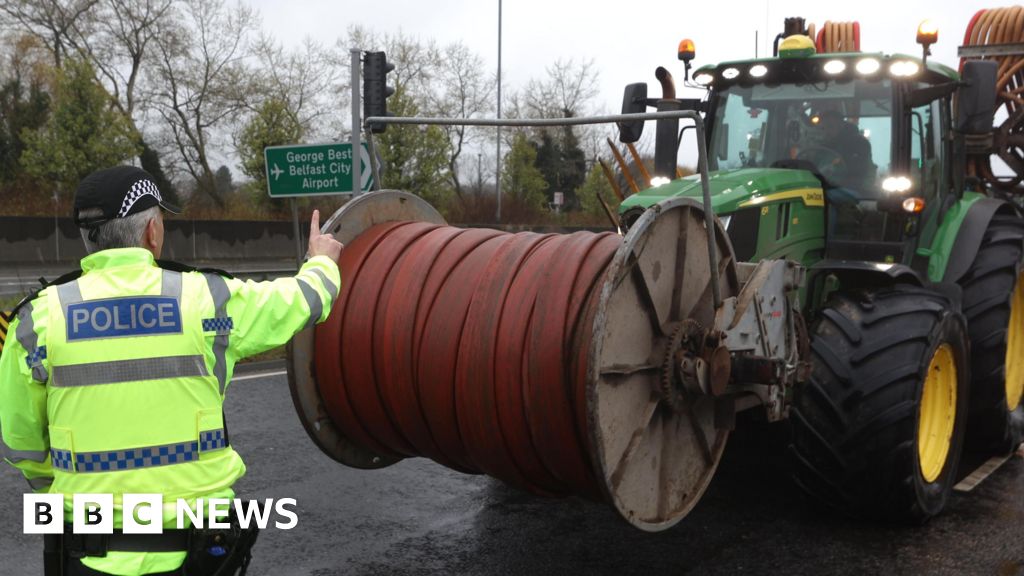
Fines issued after fuel protests across NI disrupt traffic
Fines have been issued after fuel protests caused traffic disruption across Northern Ireland, with slow-moving convoys o…
BBC News Business

Households could get free electricity for doing washing on sunny weekends
Households and businesses in Britain could receive free or discounted electricity for using appliances during periods of…
BBC News Business
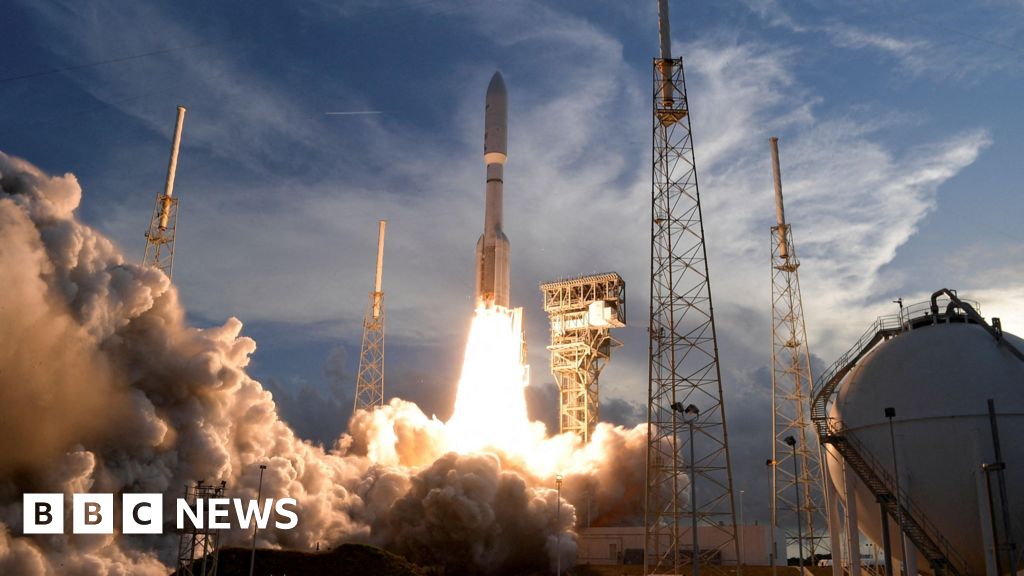
Amazon to spend $11bn on satellite firm in growing Starlink rivalry
Amazon announced an $11.57 billion deal to acquire satellite firm Globalstar, marking a major escalation in its rivalry …
BBC News Business
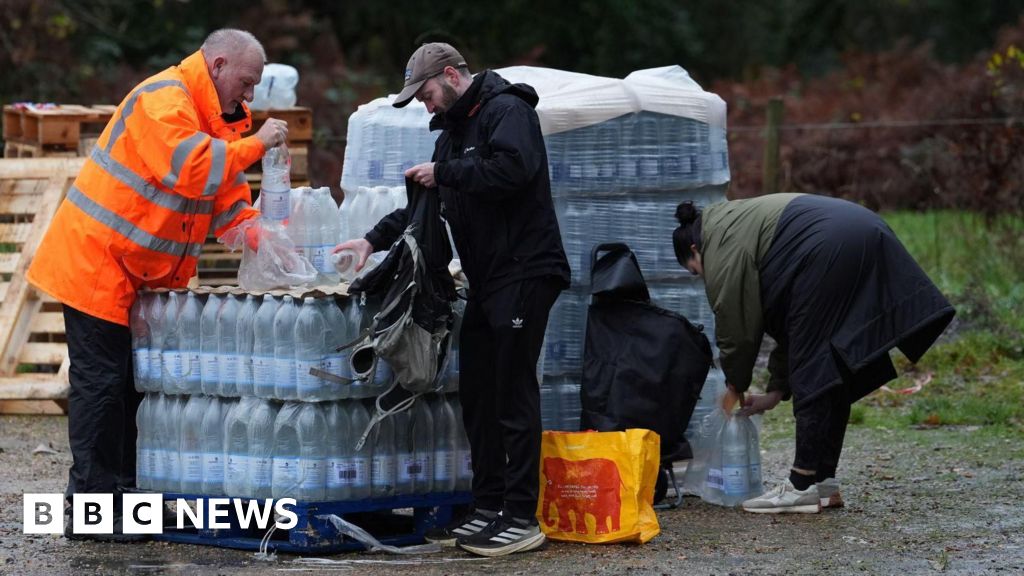
Customers failed over outages, water boss tells MPs
South East Water's chairman has admitted the utility "failed on the basic objective of delivering water" after severe wi…
BBC News Business